
Key Developments and Public Reactions
Ghana’s democratic journey has long been regarded as one of the most stable in West Africa. Over the years, the country has experienced peaceful transfers of power, vibrant media engagement, and active citizen participation in national discourse. However, recent years have brought significant political, economic, and social developments that have generated intense public debate. From economic recovery measures and parliamentary controversies to governance reforms and civic activism, Ghanaians have remained deeply engaged in shaping the national conversation.
This comprehensive blog post explores major recent developments across governance, economic policy, social reform, and public accountability and examines how citizens, civil society, businesses, and political actors have reacted.
1. Economic Policy Shifts and Public Sentiment
One of the most discussed developments in Ghana has been the implementation of economic stabilization measures aimed at controlling inflation, strengthening the cedi, and restoring fiscal discipline.
Key Developments
-
Tightened monetary policy by the Bank of Ghana
-
Fiscal reforms led by the Ministry of Finance Ghana
-
Debt restructuring initiatives
-
Tax policy adjustments and revenue reforms
These measures were designed to address rising inflation, public debt pressures, and currency volatility.
Public Reactions
Public opinion has been mixed. While some citizens acknowledge improvements in inflation and exchange rate stability, others express concern over:
-
Rising cost of living during the adjustment period
-
Increased taxation
-
Impact on small businesses
Social media platforms and radio discussions have been filled with debates about whether the short-term hardships justify the long-term gains. Market traders, transport operators, and small-scale entrepreneurs often voice frustrations about price instability, even when macroeconomic indicators show improvement.
However, financial analysts and segments of the business community have praised stabilization efforts, noting improved investor confidence and more predictable planning conditions.
2. Parliamentary Controversies and Democratic Debate
Parliament remains the epicenter of national policymaking and political debate. In recent years, parliamentary proceedings have occasionally been marked by heated exchanges, close votes, and legislative disputes.
Key Developments
-
Narrow majority dynamics in Parliament
-
Intense debates over budget approvals
-
Oversight investigations into public institutions
-
Calls for ministerial accountability
The balance of power has heightened scrutiny of executive decisions, resulting in stronger parliamentary engagement.
Public Reactions
Citizens have closely followed parliamentary sessions, often reacting in real time via television and digital platforms. Public reactions generally fall into three categories:
-
Support for robust debate – Many Ghanaians see parliamentary tension as a sign of healthy democracy.
-
Concern about political polarization – Some worry that partisan rivalry may delay urgent reforms.
-
Demand for transparency – Civil society groups consistently call for open communication regarding government spending and policy outcomes.
The vibrancy of parliamentary debate reflects Ghana’s maturing democratic culture, though expectations for decorum and policy-driven discourse remain high.
3. Governance and Anti-Corruption Initiatives
Governance reforms and anti-corruption measures have been central to national conversations. The Office of the Special Prosecutor Ghana has increased investigations into alleged corruption cases, signaling institutional strengthening.
Key Developments
-
Expanded investigative mandates
-
Increased public disclosures
-
Greater collaboration with civil society
Public Reactions
The public response has been largely supportive of stronger accountability mechanisms. Citizens frequently demand:
-
Swift prosecution of proven cases
-
Equal treatment regardless of political affiliation
-
Transparent communication of investigation outcomes
However, skepticism persists among some groups who question whether enforcement is consistent. Sustained trust depends on impartial application of the law.
4. Youth Activism and Civic Engagement
Ghana’s youth population is increasingly vocal in national debates. Social media platforms, campus forums, and public demonstrations have amplified youth perspectives on governance, employment, and cost-of-living challenges.
Key Developments
-
Youth-led policy discussions
-
Increased digital advocacy
-
Calls for employment reforms
-
Participation in town hall engagements
Public Reactions
Older generations sometimes express concern about protest intensity, while many acknowledge youth activism as an important democratic force.
Youth demands often center on:
-
Job creation
-
Affordable living standards
-
Educational reform
-
Political accountability
The rise of digital activism has transformed civic engagement, enabling rapid mobilization and nationwide dialogue.
5. Education Policy Changes and Community Response
Education reforms continue to generate national discussion. Policies overseen by the Ghana Education Service have focused on access expansion and curriculum improvements.
Key Developments
-
Continued implementation of Free SHS
-
Adjustments to academic calendars
-
Teacher recruitment initiatives
-
Curriculum standardization reforms
Public Reactions
Parents largely support access expansion but sometimes raise concerns about:
-
Infrastructure capacity
-
Quality assurance
-
Resource adequacy
Education remains a deeply emotional issue because it affects family futures directly. While enrollment rates have improved, sustaining quality delivery remains a priority.
6. Energy Sector Developments and Consumer Response
Energy sector reforms, particularly those involving the Electricity Company of Ghana, have aimed to stabilize supply and improve revenue collection.
Key Developments
-
Tariff adjustments
-
Infrastructure upgrades
-
Improved metering systems
Public Reactions
Reactions have been mixed:
-
Appreciation for improved power reliability
-
Concerns about tariff increases
-
Demands for transparent pricing formulas
Businesses especially emphasize the importance of stable electricity for operational planning.
7. Digital Governance and National Identification
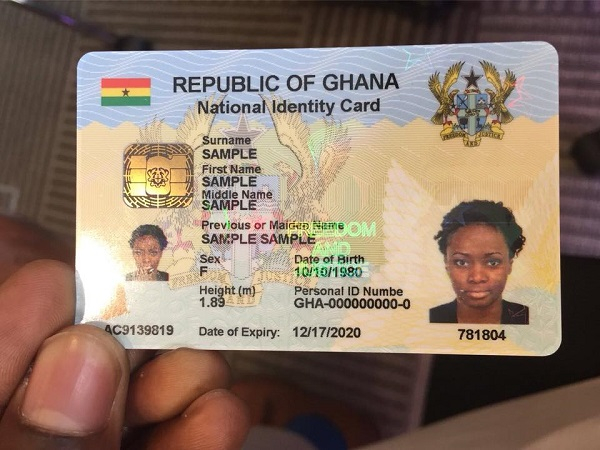
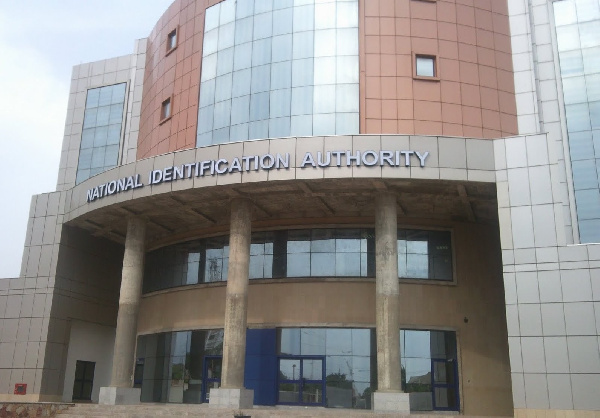

Digital transformation initiatives led by the National Identification Authority have expanded identity verification systems.
Key Developments
-
Integration of Ghana Card into banking services
-
E-government service digitization
-
Digital payment systems expansion
Public Reactions
Many citizens appreciate faster service delivery and reduced bureaucratic delays. However, challenges such as registration delays and data concerns occasionally spark public debate.
Digitalization is widely seen as necessary for modernization, but implementation efficiency remains key.
8. Media Freedom and Public Discourse
Ghana’s media landscape is vibrant, with radio, television, and online platforms actively shaping public opinion.
Key Developments
-
Increased investigative journalism
-
Policy scrutiny coverage
-
Social media amplification
Public Reactions
Citizens rely heavily on media analysis to interpret policy shifts. Media commentary often influences public perception of reforms and governance decisions.
Press freedom is regarded as a pillar of Ghana’s democracy, though calls for responsible reporting remain consistent.
9. Infrastructure Projects and Community Feedback
Large-scale infrastructure initiatives have included road expansions and hospital construction under national development programs.
Key Developments
-
Hospital construction projects
-
Road and highway upgrades
-
Urban redevelopment
Public Reactions
Communities often welcome development projects but demand:
-
Timely completion
-
Transparent budgeting
-
Fair compensation where necessary
Infrastructure remains a visible symbol of progress, making public scrutiny particularly intense.
10. The Role of Civil Society Organizations
Civil society groups continue to monitor governance and advocate for policy improvements.
Key Developments
-
Public interest litigation
-
Policy recommendation reports
-
Civic education campaigns
Public Reactions
Many citizens appreciate civil society advocacy, seeing it as a necessary check on government power. Collaboration between government and civic actors enhances democratic resilience.
Broader Implications of Public Reaction
Public reaction is not merely commentary it influences policymaking itself. Strong civic engagement:
-
Shapes legislative amendments
-
Promotes transparency
-
Encourages institutional reform
Government responsiveness to public feedback strengthens trust, while perceived indifference can deepen dissatisfaction.
The Balance Between Reform and Public Expectation
Major developments often require patience. Economic stabilization, governance reform, and infrastructure projects may produce long-term benefits but short-term inconvenience.
Public expectations typically focus on:
-
Immediate cost-of-living relief
-
Visible employment growth
-
Transparent governance
Balancing urgency with sustainability remains the central challenge for policymakers.
Ghana’s recent key developments across economic stabilization, governance reform, digital transformation, and infrastructure expansion reflect a nation navigating complexity with democratic engagement. Public reactions whether supportive, critical, or cautious demonstrate active civic participation.
From Parliament to marketplaces, from youth activism to business forums, Ghanaians remain invested in shaping their country’s direction. The interplay between policy action and public reaction defines the health of any democracy.
As Ghana continues to pursue economic recovery, social equity, and institutional strengthening, sustained dialogue between leaders and citizens will remain essential. Transparency, accountability, and responsiveness will determine whether key developments translate into lasting progress.
The future of Ghana’s development story will not be written by policy decisions alone but by how the public engages, critiques, and ultimately contributes to national growth.